Climate change does not affect everyone in the same way. On behalf of the Federal Office for the Environment, INFRAS has analysed which groups of people in Switzerland are particularly vulnerable to climate change and why. The findings provide a basis for the further development of the adaptation policy in Switzerland.
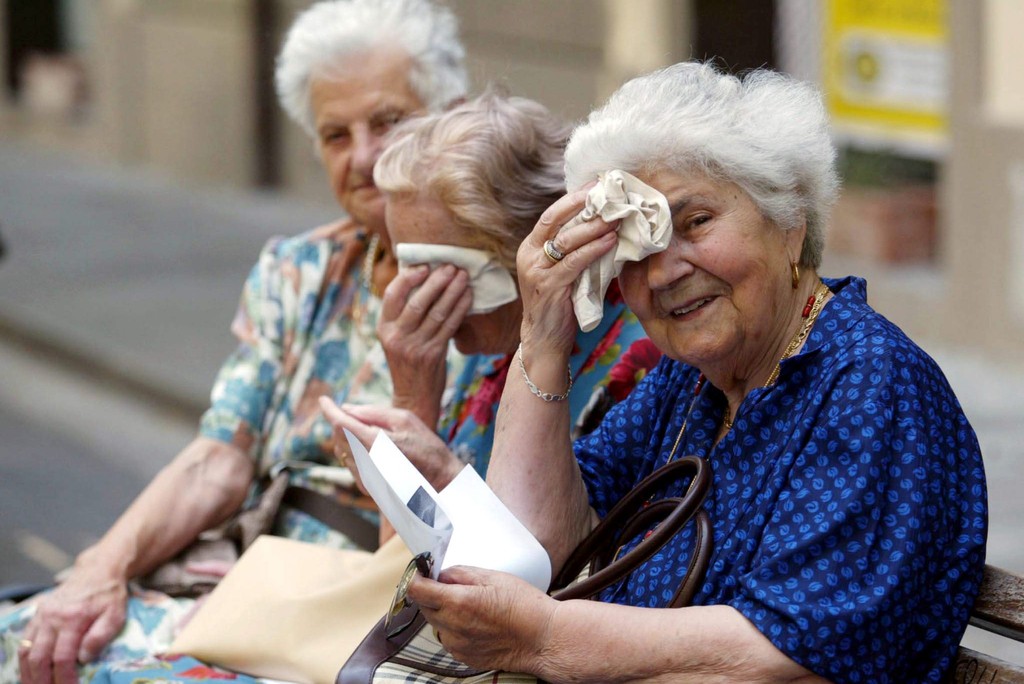
Climate change is already having a noticeable impact on living conditions in Switzerland: for instance, through increased heat stress, more frequent heavy rainfall, drier summers, and indirect economic effects.
On behalf of the Federal Office for the Environment (FOEN), INFRAS has examined how vulnerable the Swiss population is to the various impacts of climate change. This study is the first to provide a comprehensive analysis of how climate change affects different areas of life, and why certain people are more severely affected than others.
Vulnerability arises from a combination of various factors
Whether or not people are affected by the consequences of climate change does not depend solely on where they live. Their health, social circumstances, economic situation and ability to adapt to changing conditions, also play a significant role.
The study examines vulnerabilities in five key areas of life: health, personal safety, housing, work, and material security. It is not individual characteristics or factors that make people vulnerable per se. Rather, it is the interplay of various characteristics and life circumstances that is decisive.
Particularly relevant factors include advanced or very advanced age, limited financial resources, disabilities and social isolation. Where several of these factors coincide, the risk of being particularly severely affected by climate-related pressures increases.
Further analysis of climate risk
The study, which was carried out by INFRAS on behalf of the FOEN, builds on the existing Climate Risk Analysis for Switzerland. To this end, the project team conducted exploratory interviews with experts, held workshops with representatives from academia, government, and civil society, and performed quantitative analyses of vulnerability characteristics and climatic exposures.
Safety nets do exist, but they don’t always catch everyone
Switzerland is particularly vulnerable to rising temperatures and an increased risk of natural disasters such as floods, debris flows and landslides.
At the same time, however, the analysis shows that Switzerland possesses a high level of structural resilience. Its well-developed civil protection system, high building standards, extensive insurance coverage and efficient healthcare system mitigate the impact of many climate risks. Nevertheless, particularly vulnerable people are at risk of falling through these safety nets.
Social developments can exacerbate risks
The study shows that future societal developments could exacerbate existing vulnerabilities further. For example, an ageing population means that more people are potentially vulnerable. Urbanisation means that more people are exposed to urban heat stress. Individualisation, social isolation, and a perceived decline in social cohesion can contribute to the weakening of support networks.
Further information:
Further INFRAS web articles on similar topics:
Project team