In what ways is climate change affecting Switzerland, and what can we learn from this with regard to managing climate risks? As part of the federal government’s NCCS-Impacts programme, INFRAS helped consolidate technical findings from various sub-projects into a cross-sectoral overview, presenting them in an accessible format.
The world is heading for a temperature increase far higher than the target set out in the Paris Agreement. Climate change affects many aspects of life, the economy and the environment. Evidence-based decision-making frameworks are needed to help the federal government, cantons, municipalities and the private sector manage the impacts of climate change. The NCCS-Impacts programme, run by the National Centre for Climate Services (NCCS) network, has developed such frameworks through cross-sectoral projects.
A comprehensive picture emerges from a wide range of expert contributions
Between 2022 and 2026, over 100 individuals from more than 20 organisations collaborated to develop over 30 outputs aimed at addressing climate change. The programme was managed by MeteoSwiss. INFRAS, in collaboration with Feinheit, supported MeteoSwiss with programme communication.
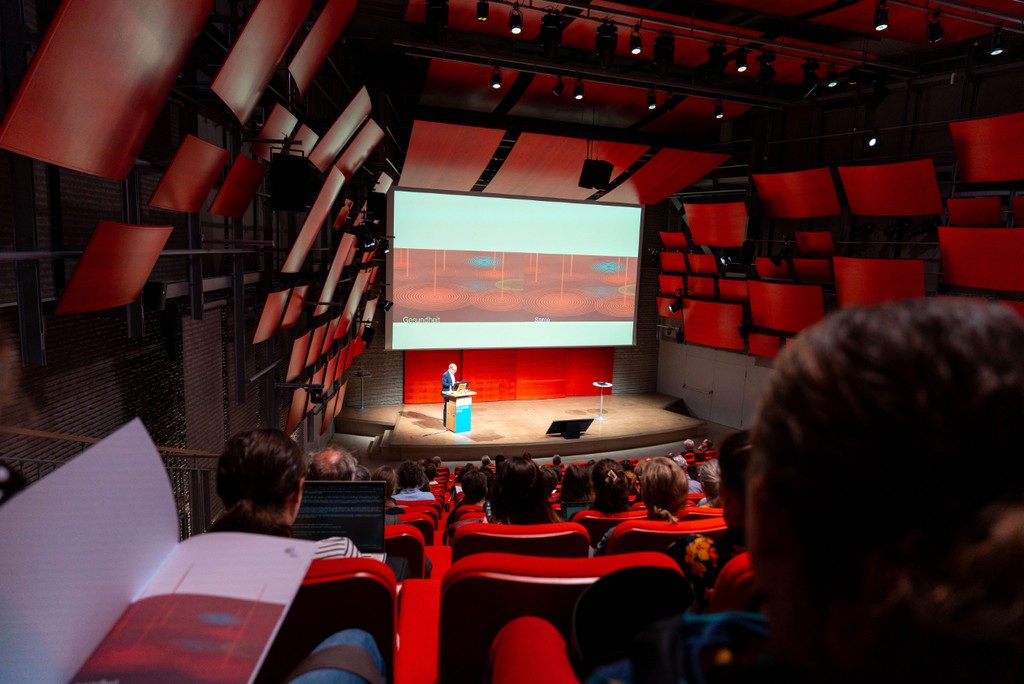
To provide a comprehensive overview of the NCCS-Impacts findings, the content was summarised concisely in both an online presentation and a brochure. The presentation highlights the interconnections between different disciplines and sectors, grouping them under the headings ‘Ecosystems’, ‘Infrastructure and the Economy’, and ‘Health’. INFRAS contributed to this synthesis work by assisting with conception, overall planning, coordination, development of key messages, and editorial preparation.
The projects under the ‘NCCS-Impacts’ programme
By the time the programme concluded in 2026, five cross-sectoral projects had been completed, focusing on socio-economic scenarios, the impact of global climate change on Switzerland, ecosystem services, human and animal health, and the cost of climate change. INFRAS led the ‘Socio-Economic Scenarios for Switzerland’ The project is also collaborating on the project. the resilience of energy infrastructure. This sixth project within the SWEET RECIPE consortium is a joint initiative between the NCCS and the SFOE’s SWEET programme, and it will continue beyond the programme's scheduled end date.
Expertise made accessible to different target groups
A key task was to support programme management, coordinate the content of the various sub-projects, and establish cross-references. At the same time, the aim was to present the scientific findings in a way that would make the key messages accessible to different target groups. INFRAS contributed its experience in synthesising complex underlying data. The objective was to create a presentation that would preserve the technical substance while also providing an overview of the broader context.
Further information
Further articles on this topic
Project team